In today's fast-paced logistics industry, Pallet Storage solutions have become critical for efficient warehousing. According to a 2022 report by the Warehousing Association, optimizing pallet storage can improve space utilization by up to 30%. With rising e-commerce demands, efficient pallet management is essential for businesses seeking to enhance operational efficiency.
As warehouses face space constraints, innovative pallet storage methods like selective racking and drive-in systems are gaining traction. These systems allow for better inventory management and increased accessibility. A recent study showed that businesses implementing advanced pallet storage solutions achieved a 25% reduction in retrieval time. This speaks to the effectiveness of these methods.
However, many companies still struggle with suboptimal pallet storage configurations. Issues such as inconsistencies in pallet sizes or improper stacking techniques can lead to inefficiencies. Striking a balance between maximizing storage and minimizing risk is vital. As warehouses evolve, embracing the most effective pallet storage solutions will be key to thriving in a competitive landscape.
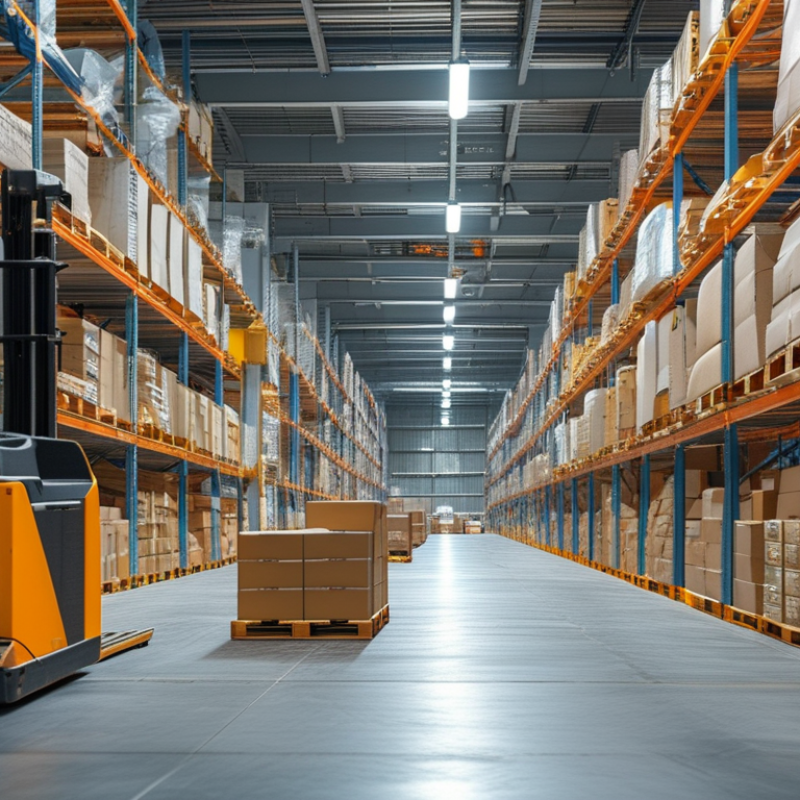
Pallet storage solutions play a critical role in modern warehousing. Choosing the right system can boost efficiency and streamline operations. Several types of pallet storage options cater to different needs and space requirements. Selective pallet racking is one of the most popular systems. It allows easy access to individual pallets. This option is great for warehouses with a diverse range of products.
Drive-in racking offers a space-efficient solution for high-density storage. It minimizes aisles, which increases storage capacity. However, it may complicate inventory management. The last-in, first-out (LIFO) system can pose challenges in stock rotation. Another option is push-back racking. This system enhances pick efficiency but requires cautious handling. Understanding these nuances is essential for optimal selection.
Mobile racking systems are becoming increasingly popular. They can adapt to changing inventory needs. Yet, they can be costly and may require more maintenance. In contrast, cantilever racking is excellent for long or bulky items. This system is flexible but lacks the same efficiency in accessing smaller goods. Proper evaluation of each system’s advantages and disadvantages is vital for ensuring your warehouse operates smoothly.
| Type of Pallet Storage | Storage Density | Accessibility | Best For | Advantages |
|---|---|---|---|---|
| Selective Racking | Medium | High | Easily accessible inventory | Flexibility and ease of use |
| Drive-In Racking | High | Medium | Bulk storage | Maximized space utilization |
| Push Back Racking | High | Medium | First in, last out inventory | Efficient space utilization |
| Mobile Racking | High | Medium | Dynamic storage requirements | Space-saving and flexible |
| Reach-in Racking | Medium | High | Retail and distribution | Easy accessibility |
| Flow Racking | High | Medium | High turnover inventory | Reduced picking time |
| Cantilever Racking | Medium | Medium | Long, bulky items | Versatile and adjustable |
| Pallet Flow Racking | High | Medium | First in, first out inventory | Efficient layout |
| Stackable Racking | Medium | High | Flexible space management | Cost-effective |
| Double Deep Racking | High | Low | Bulk, low turnover items | Maximized storage efficiency |
: Selective pallet racking allows easy access to individual pallets. It suits diverse product ranges in warehouses.
Drive-in racking maximizes space by reducing aisles. It increases storage capacity but complicates inventory management.
LIFO can create stock rotation issues. Managing inventory efficiently becomes harder with this method.
Push-back racking enhances pick efficiency. However, it requires careful handling to avoid damage.
Mobile racking systems adapt easily to changing inventory needs. They may be costly and need frequent maintenance.
Cantilever racking is excellent for long or bulky items. It's flexible but less efficient for smaller goods.
Efficient storage enhances space use and boosts productivity. Organized pallets reduce retrieval times and lower labor costs.
A clear and accessible layout promotes safety and speed. Pathways should be organized for smooth operations.
Tall racks maximize vertical space but pose risks. Employee training on safe practices is crucial for safety.
Regular assessments can reveal inefficiencies. Small changes based on analysis can drive significant productivity gains.
The article "Top 10 Pallet Storage Solutions for Efficient Warehousing" delves into various aspects of pallet storage systems essential for modern warehouse operations. It begins by outlining different types of pallet storage systems, which cater to diverse warehouse needs, followed by key factors to consider when selecting the right solution. By highlighting the benefits of efficient pallet storage, the article emphasizes how optimized storage can enhance overall warehouse performance.
Additionally, it explores innovative technologies that improve pallet storage efficiency, showcasing advancements that are shaping the future of warehousing. Best practices for implementing these solutions are also discussed, offering practical insights for warehouse managers looking to maximize their storage capabilities. Ultimately, the article serves as a comprehensive guide for those seeking to enhance their pallet storage strategies to drive greater operational effectiveness.

 SunliRack