In the rapidly evolving world of logistics, efficiency is paramount. The demand for advanced storage solutions is surging. A report from Market Research Future indicates that the global warehouse automation market is projected to reach $30 billion by 2025. This growth underscores the need for innovative storage systems, like the 4-Way Shuttle Storage.
4-Way Shuttle Storage systems allow for high-density storage and quick retrieval, optimizing warehouse operations. These systems facilitate vertical and horizontal movements, maximizing space usage. Companies that adopt such technologies often see increases in operational efficiency by 30% or more. However, not all implementations deliver expected results. Proper planning and integration are crucial.
While many industry leaders have embraced this technology, challenges remain. Not every facility is suited for 4-Way Shuttle Storage. Companies must assess their specific needs and infrastructure. The right solution can revolutionize a warehouse, but missteps can lead to wasted resources. Understanding these complexities is key to making informed decisions in a competitive market.
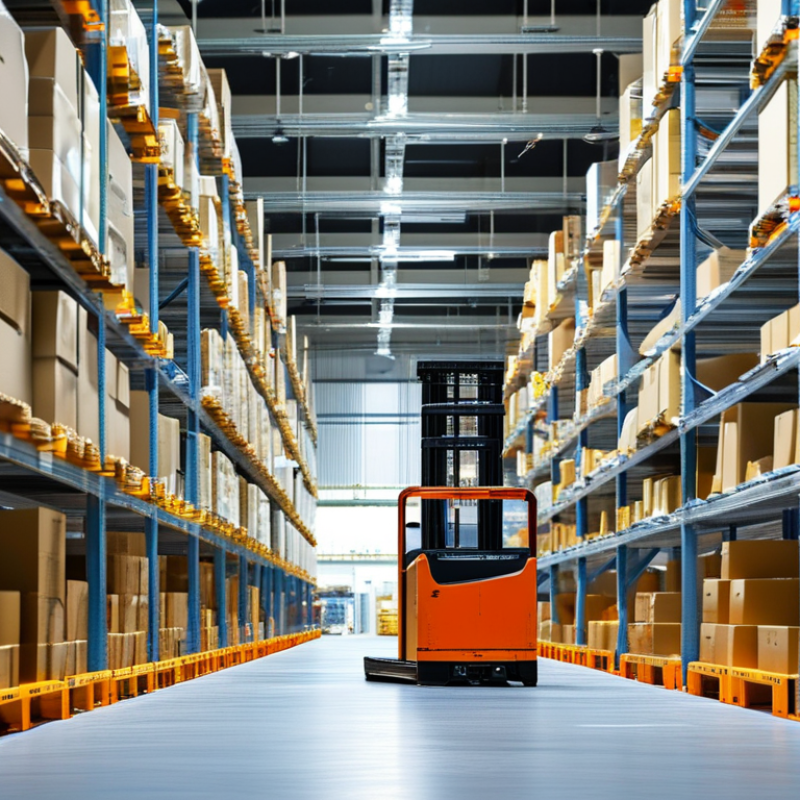
In recent years, China has established itself as a leader in the development of 4 Way Shuttle Storage Systems. These innovative solutions cater to the growing demands of various industries for efficient warehousing. Key players in this market have focused on enhancing storage density while ensuring the safety of goods. The focus is often on automation, enabling smoother operations in bustling warehouses.
Understanding the market landscape reveals diverse offerings tailored to different needs. Some systems emphasize speed, while others prioritize reliability. The technological integration in these shuttles often involved intricate engineering, showcasing years of expertise. However, not all solutions have reached peak efficiency. Some still struggle with adaptation to varied environments, revealing a need for continual improvement.
Moreover, the competitive landscape is rapidly changing. Companies constantly evaluate their technology, looking for ways to optimize operations. Collaboration with tech developers is frequent, ensuring advancements align with market needs. Challenges remain, such as balancing cost and performance. This dynamic nature of the industry invites reflection on how best to innovate while maintaining sustainability in storage solutions.
The demand for 4-way shuttle storage solutions in China is on the rise. This trend is driven by the rapid growth of e-commerce and logistics. Businesses are looking for efficient ways to manage storage space and improve warehouse operations. Modular and scalable systems are becoming increasingly popular. They offer flexibility to adapt to changing market needs.
To choose the right shuttle system, consider your storage capacity and retrieval speed. Understand the layout of your warehouse. A well-designed system can increase productivity and reduce labor costs. Think about the integration with existing machinery. It’s crucial to ensure compatibility for seamless operations.
Investing in technology like automated controls can enhance efficiency. However, not all solutions suit every business. It's important to evaluate cost versus benefit. Test different configurations to find the best fit. Regular assessments can also help identify areas for improvement. Reflections on performance help in making informed decisions in the future.
This chart illustrates the demand levels for various features of 4 Way Shuttle Storage Solutions in China. Features such as Compact Design and Cost Efficiency show higher demand among global buyers, reflecting current market trends.
When considering the ideal 4-way shuttle storage solutions, efficiency ratings and storage capacities play crucial roles. These solutions often optimize space while enhancing retrieval speed. An efficient shuttle system can reduce the time taken to access items. This directly impacts productivity, making it essential for global buyers to evaluate options carefully.
Storage capacity is another critical factor. Some systems can hold a significant amount of inventory in a compact space. Buyers should analyze their specific needs to determine the right size. It's important to ensure that the system matches the types of products stored. Not all shuttles are equal. Evaluating the technical specifications will help gauge whether a solution meets your demands.
Consider your workflow. Understand how many items you typically process and how quickly you need them. A system that seems efficient on paper may actually slow down operations if it doesn't fit your workflow. Additionally, remember that implementation challenges exist. Not every solution will integrate seamlessly. Take time to reflect on past experiences when assessing new systems.
When examining the cost analysis of four-way shuttle storage systems, global buyers need clear insights. Understanding the initial investment and potential return on investment (ROI) is crucial. Typically, these systems offer high-density storage solutions. They optimize space while reducing labor costs. Buyers should evaluate their specific needs before diving in.
Maintenance expenses can accumulate over time. Regular servicing is important to ensure smooth operation. While the upfront costs may seem high, cheaper alternatives might lead to inefficiencies. Inaccurate ROI projections could affect long-term business decisions. It’s essential to consider the total cost of ownership, which includes training and support.
Risk management also plays a key role. Buyers must assess the reliability of technology and potential downtime. Unexpected failures can result in costly disruptions. A thorough analysis, including case studies and expert reviews, can guide buyers. This will ensure that the investment aligns well with their operational goals. The right choice enhances productivity and supports growth. Always reflect on market trends and seek advice for informed decisions.
The implementation of 4-way shuttle systems in warehouses has led to several notable success stories. For instance, one company optimized its storage capacity by 40%. This design allowed pallets to be stored and retrieved efficiently. The autonomous shuttles move in multiple directions, significantly reducing travel time. In a busy warehouse, this flexibility improves overall productivity.
Another case involved a logistics provider that reduced labor costs by 30%. The automated system minimized human error in order picking. With real-time inventory tracking, the facility achieved near-perfect accuracy. However, some challenges arose during the initial set-up phase. Integrating new technology with existing systems often required adjustments and training. This process sometimes created temporary disruptions.
One warehouse faced issues with system compatibility. Its infrastructure needed upgrades to support the new shuttles. While the end results were positive, the transition period highlighted important lessons. Proper planning and consultation are crucial for seamless execution. These experiences emphasize the importance of thoughtful implementation for long-term success in warehouse operations.
| Case Study | Warehouse Type | Shuttle System Capacity | Implementation Year | Key Benefits |
|---|---|---|---|---|
| Case Study 1 | Cold Storage | 1000 pallets | 2021 | Increased storage efficiency and reduced picking time |
| Case Study 2 | E-commerce | 2000 pallets | 2020 | Improved order accuracy and faster fulfillment rates |
| Case Study 3 | Grocery Distribution | 1500 pallets | 2019 | Enhanced inventory management and waste reduction |
| Case Study 4 | Pharmaceutical | 800 pallets | 2022 | Compliance with storage standards and improved safety |
: They are innovative solutions for efficient warehousing in various industries.
They determine how quickly items can be accessed, impacting overall productivity.
A compact system can hold more inventory but must match the types of products stored.
Integrating new technology may require adjustments and training, which can cause disruptions.
They move in multiple directions, significantly reducing travel time in busy warehouses.
If the system does not fit your workflow, it may actually slow down operations.
Proper planning and consultation are vital for seamless integration and long-term success.
Companies collaborate with tech developers to ensure solutions meet current market needs.
They optimized storage capacity by 40%, enhancing retrieval efficiency.
They should analyze how many items they process and the speed required.
The article titled "China Best 4 Way Shuttle Storage Solutions for Global Buyers" provides a comprehensive overview of the evolving landscape of 4-Way Shuttle Storage systems in China. It highlights key players in the market and discusses the increasing demand driven by advancements in logistics and warehousing efficiency. Technical specifications, such as efficiency ratings and storage capacities, are examined to give potential buyers insight into the effectiveness of these systems.
Furthermore, the article delves into a cost analysis, comparing the initial investment and potential return on investment (ROI) for global buyers considering these solutions. Case studies featuring successful implementations in warehouses illustrate the practical benefits and operational improvements achieved through 4-Way Shuttle Storage systems. Overall, the article serves as a valuable resource for those looking to optimize their storage capabilities in an increasingly competitive market.

SunliRack